
A workplace close call may feel like a lucky break: no one was injured, nothing was damaged, and operations continued. However, near misses can reveal risks before they lead to a serious injury, property loss, or business interruption.
For businesses throughout Missoula, the Bitterroot Valley, the Flathead Valley, and Western Montana, documenting these incidents is a practical way to strengthen safety efforts. At Insurance Nerds at D.L. Williams Insurance Inc., we help business owners view near miss tracking as a useful part of a broader commercial insurance and risk-management strategy.
What Is Considered a Near Miss?
A near miss is an unplanned event that had the potential to cause an injury, property damage, or another loss but did not result in harm. The fact that the outcome could have been more serious is exactly why the incident deserves attention.
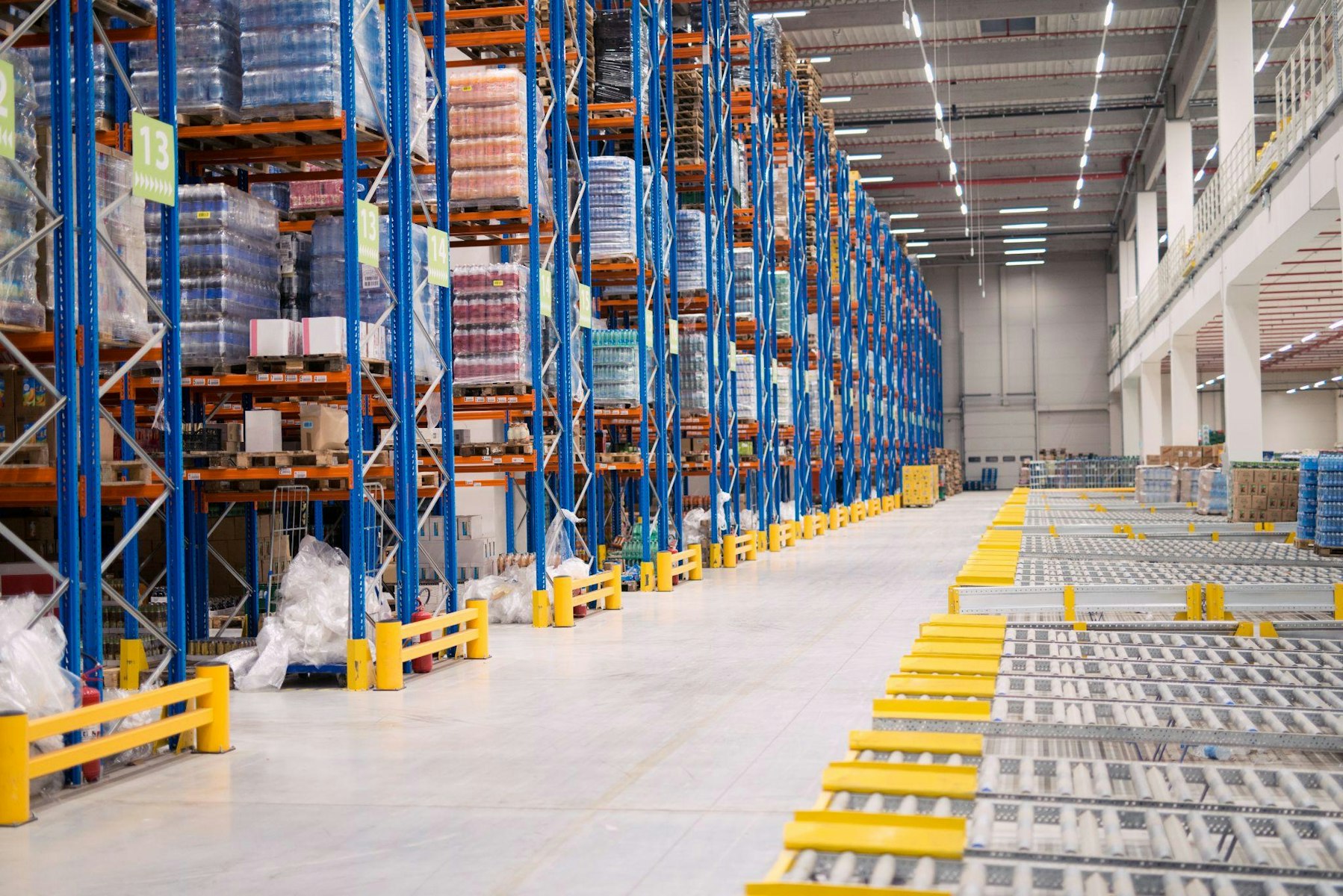
For example, imagine a heavy box slipping from overhead warehouse storage and landing on the floor without striking anyone. It is a near miss. If the same box hits an employee and causes an injury, it becomes an accident.
That difference needs to be clear to employees. When there is no immediate injury or visible damage, it is easy to dismiss a close call. A consistent definition helps team members understand that an event does not need to cause a loss before it should be reported.
Small Incidents Can Reveal Larger Safety Concerns
Heinrich's Safety Triangle is one model that illustrates why close calls matter. It suggests that severe workplace injuries may be preceded by many minor incidents and an even larger number of near misses.
The model does not predict every outcome, but the underlying point remains valuable: serious workplace events often have warning signs. A slippery entryway, unsecured inventory, a malfunctioning piece of equipment, or a rushed loading process can create conditions that may eventually lead to a more significant loss.
Tracking near misses gives a business the chance to recognize those conditions early. Rather than waiting for an injury or claim, owners and managers can review the circumstances, identify the hazard, and consider whether the same issue could cause harm in the future.
That is what makes near miss reporting a proactive risk-management tool instead of simply another workplace requirement.
Make Reporting Easy for Employees
A reporting program only works when employees feel able to use it. If the process is difficult to find, confusing, or overly time-consuming, important safety information may never make it to the people who can address it.
Employees should understand what information to share, where to submit a report, and which events should be documented. A straightforward process makes it easier to build reporting into everyday work instead of treating it as an extra burden.
Anonymous reporting may also be worth considering. Some employees may worry that mentioning a close call will lead to blame or discipline. Giving them a way to report concerns without that fear can help businesses uncover hazards that might otherwise go unmentioned.
The goal is to make reporting a normal, constructive safety habit. Employees should see it as a way to help protect coworkers, customers, equipment, and the business—not as a way to create trouble.
Build a Culture That Encourages Speaking Up
Forms and procedures alone do not create an effective near miss program. Employees also need to know that management values the information they provide.
Follow-up is important. When a supervisor acknowledges a report, reviews the concern, and communicates the next steps, employees can see that their effort made a difference. When reports seem to disappear without a response, people may be less likely to report the next issue.
Leaders can reinforce the message by discussing their own close calls and what was learned from them. This helps show that a reported near miss is not an admission of failure. It is a smart action that can prevent future injuries or damage claims.
For restaurants, contractors, logging operations, nonprofit organizations, and other small businesses in Montana, that shared accountability can strengthen safety at every level of the organization.
Share Lessons Across the Business
A near miss that happens in one department may contain a lesson for another. Reporting should not always end with the team that experienced the event.
When businesses share relevant close-call information across departments, one team’s experience can become another team’s prevention plan. Employees do not have to experience the same hazard themselves to learn how to avoid it.
Sharing reports can also expose patterns that are harder to recognize when each department keeps information separate. A business may discover that similar concerns are occurring in multiple locations, during certain tasks, or around the same equipment.
This broader communication turns near miss reporting into more than a record of isolated events. It supports a workplace culture in which employees and supervisors actively exchange useful safety information.
How Near Miss Tracking Supports Commercial Insurance Planning
Near miss records can offer value beyond day-to-day safety operations. They may also help demonstrate how actively a company identifies and responds to potential risks.
A written safety policy explains what a business intends to do. Documented near misses can show how hazards are being recognized and addressed in real working conditions. That can support more informed conversations about commercial insurance, loss-control efforts, underwriting, and claims history.
For a Missoula contractor, a Kalispell business with commercial vehicles, or a Hamilton employer focused on workers’ compensation, safety records may provide useful context about the steps being taken to prevent losses. The same can be true for businesses seeking protection for property, tools, inventory, or other business equipment.
Over time, consistent documentation can help a company present a clearer picture of its risk profile. Near miss reporting is not simply a way to record problems; it demonstrates how a business responds when early warning signs appear.
Make Close Calls Part of Your Risk Strategy
A close call with no injury may seem minor in the moment. From a risk-management perspective, it can be important information that arrives before a more serious incident occurs.
Businesses can benefit from clearly defining near misses, making reports simple to submit, providing options for employees to raise concerns, following up visibly, and sharing useful lessons across teams. These practices can transform close calls into opportunities to improve workplace safety.
If it has been a while since your business reviewed its reporting process, consider whether employees know what to report and what happens once they do. Insurance Nerds at D.L. Williams Insurance Inc. can help businesses across Western Montana discuss how near miss tracking may fit into a broader approach to commercial insurance, including general liability, workers’ compensation, commercial auto coverage, business property protection, and business owners policies.
FAQ
What should employees report as a near miss?
Employees should report unexpected events that could reasonably have caused an injury, property damage, or another loss, even when no one was hurt and no damage occurred. Examples may include falling objects, unsafe conditions, equipment concerns, or close calls involving vehicles.
Why report a near miss if nothing happened?
A close call can reveal a hazard before it produces a more serious result. Reporting gives the business an opportunity to examine the circumstances and address potential safety concerns early.
Should near miss reports be anonymous?
Anonymous reporting can be a helpful option when employees may hesitate to speak up because they are concerned about blame. The right approach depends on the business, but the priority should be making employees comfortable sharing useful safety information.
How can employers encourage near miss reporting?
Keep the process easy, explain what qualifies as a near miss, acknowledge reports promptly, and communicate what was learned or changed. Employees are more likely to participate when they see that reports lead to meaningful follow-up.
Can near miss tracking help with commercial insurance discussions?
Near miss documentation can provide useful information about how a business identifies and manages risks. It may support conversations involving loss control, underwriting, workplace safety, claims history, and commercial insurance coverage.